
Beginner Guide to Journaling Every Day for a Happier Mind
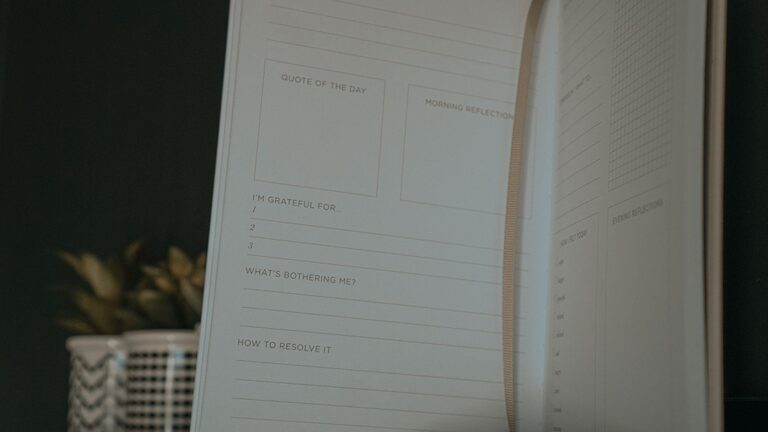
Journaling is a powerful and accessible way to explore your thoughts, track your progress, and improve your well-being. Whether you want to relieve stress, boost creativity, or simply document your daily life, writing in a journal every day can make a real difference. If you’ve never tried journaling or struggled to keep it consistent, this beginner guide will help you build a daily journaling habit that fits your lifestyle.
Why Journal Every Day?
Journaling daily offers several benefits:
– Emotional clarity: Writing about your feelings can provide insight and reduce stress.
– Increased mindfulness: Reflecting on your day helps you notice patterns and appreciate small moments.
– Goal tracking: A journal allows you to record progress and celebrate achievements.
– Enhanced creativity: Regular writing sparks new ideas and improves communication skills.
– Memory boost: Journaling helps organize and preserve your memories.
Choosing the Right Journal and Tools
Before you begin, select tools that inspire you:
– Notebook: Pick a size and style you enjoy, whether it’s a simple spiral notebook, a leather-bound journal, or a colorful planner.
– Pen: Use a pen with smooth ink flow that feels comfortable to write with.
– Digital options: Apps like Day One, Evernote, or simple note-taking apps can be great for journaling on the go.
The key is to choose a format that you look forward to using every day.
Setting Up Your Journaling Space
Create a comfortable and inviting spot for journaling:
– Find a quiet corner where you won’t be interrupted.
– Use good lighting to avoid eye strain.
– Keep your journal and pen easily accessible.
– Consider adding a cup of tea, a candle, or soft music to enhance the experience.
How to Start Journaling Daily
Getting started is easier than you might think. Here’s a simple step-by-step approach:
- **Pick a consistent time**: Choose a time that works best for you, whether it’s morning, lunchtime, or before bed.
- **Start small:** Commit to writing for just 5 minutes or jotting down a few sentences each day.
- **Use prompts:** If you’re unsure what to write, prompts can help spark ideas.
- **Keep it private:** Remember, your journal is for your eyes only, so write honestly without worrying about judgment.
- **Reflect and adjust:** After a week or two, review what works and tweak your approach.
Journaling Prompts for Beginners
If you need inspiration, try these simple prompts:
– What am I grateful for today?
– What was the best part of my day?
– What challenges did I face and how did I handle them?
– What is one thing I want to improve tomorrow?
– Describe a moment that made you smile today.
– Write about a goal you have and why it matters.
These prompts can help you focus your thoughts and start building your journaling habit.
Tips to Maintain a Daily Journaling Habit
Consistency can be challenging but these tips will help you stick with it:
– Set reminders: Use your phone or calendar to remind you to journal.
– Make it enjoyable: Add some color with pens or stickers if you like.
– Don’t worry about perfection: Your journal doesn’t need to be neat or polished.
– Celebrate milestones: Reward yourself when you reach a week or month of daily journaling.
– Be flexible: If you miss a day, don’t be hard on yourself—just start again the next day.
Different Styles of Journaling
As you become comfortable, you might explore different journaling styles:
– Bullet journaling: Combines to-do lists, calendars, and notes with creative layouts.
– Gratitude journaling: Focuses on noting things you’re thankful for daily.
– Reflective journaling: Involves deeper introspection about emotions and experiences.
– Creative journaling: Mixes writing with doodles, drawings, or collage.
Feel free to experiment until you find what feels rewarding and sustainable for you.
Final Thoughts
Starting a daily journaling habit can seem daunting at first, but by keeping it simple and enjoyable, it quickly becomes a rewarding part of your routine. Remember, journaling is a personal journey—there’s no right or wrong way to do it. The most important thing is to write with honesty and consistency. Over time, you’ll likely notice improvements in your clarity, mood, and creativity. So grab your notebook, set aside a few minutes each day, and enjoy the many benefits of journaling every day. Happy writing!